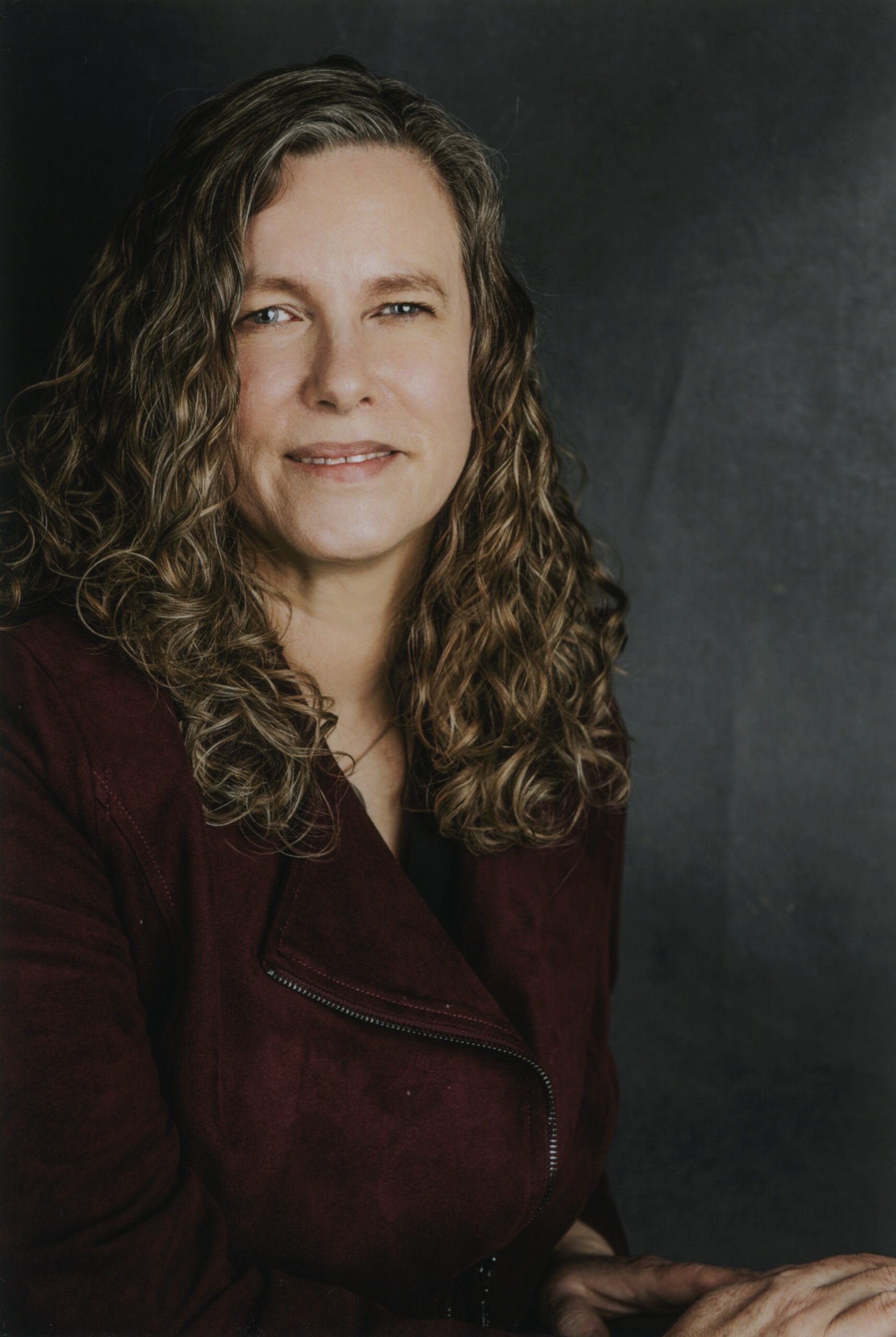
I am in my second term as an Electoral Area Director on the Regional District of Nanaimo (RDN) Board, where I am privileged to represent Gabriola, Mudge, and DeCourcy Islands, which are within the traditional territory of the Snuneymuxw First Nation. I recently completed 3 years as Chair of the RDN Board and stepped back this year to create more space for other activities, including my work on AVICC. I have served on the AVICC Executive since December 2018; I was the Electoral Area representative for three years, 2nd Vice President for two years, and 1st Vice President for two years. I am currently the AVICC representative on the Union of BC Municipalities and the Southern Resident Killer Whale Indigenous and Multi-Stakeholder Advisory Group. This year I serve as President of AVICC.
I am a long-term resident of coastal communities, having lived and worked in different areas along the coast. For 25 years my husband Steve and I have called Gabriola Island home, and we raised our two daughters here. I hold a PhD in biology, am a Registered Professional Biologist, and continue to work (very) occasionally as a small mammal and bat biologist with a focus on species at risk recovery and environmental assessment. In 2021 I completed 12 years of volunteer service on the Council of the College of Applied Biology, the regulator of professional biologists in the province, most recently serving as Past President after 4 years as President.
Of particular interest to me as an EA Director are the issues of emergency preparedness, housing accessibility, meaningful engagement with First Nations communities, environmental and drinking water, positive working relationships with other elected officials including the Islands Trust, and the ecological health of our coastal communities. AVICC offers important opportunities for us to connect to discuss our common concerns, and I’ve benefited from speaking with the many knowledgeable people in the coastal communities.
This year is full of possibilities as we build on last year where we were successful in getting UBCM to take on Legislative Reform as a special project and we have developed our relationship with the other area associations in the province. In addition, there’s an opportunity to further examine the role of AVICC as UBCM makes changes in the types of resolutions (and therefore advocacy) it considers. I would appreciate your support to continue serving on the AVICC Executive as your President, so that I can continue bringing my collaborative, engaged approach to these essential conversations.